Key Takeaways
- The right vacation home should match how often you will use it, not just how it looks during a visit.
- The purchase price is only one part of the ownership cost.
- Snow, freezing temperatures, wildfire preparation, and vacant-home care deserve early attention.
- Short-term rental plans should be verified for the specific property before an offer is written.
- Location, access, condition, and long-term flexibility can matter as much as lake proximity.
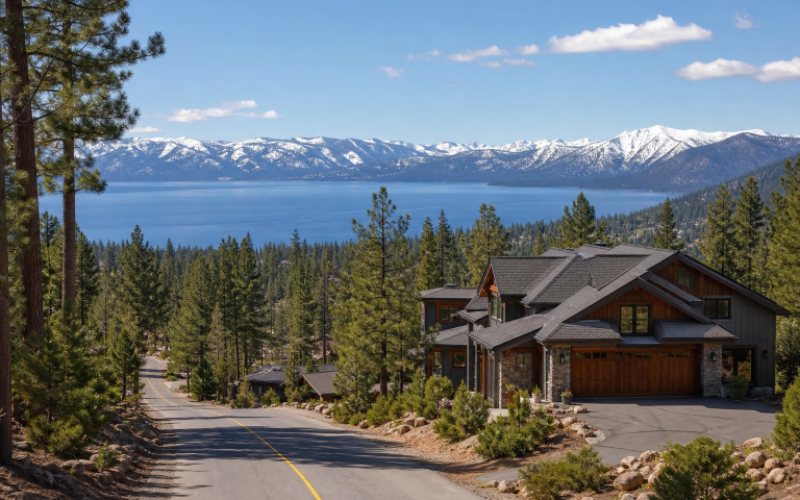
Tahoe City offers a distinctive combination of lake access, forested neighborhoods, mountain recreation, and a compact town center. A vacation home here can become a favorite gathering place. Still, it also comes with decisions that are less visible during a sunny showing, including winter access, property care, insurance, and local rules. Before narrowing the search, review Tahoe City Homes for Sale through Becky Arnold’s Tahoe City real estate page, which features local homes, cabins, condominiums, waterfront options, and luxury properties. As a Tahoe City-based real estate professional serving Tahoe City and nearby North Lake Tahoe communities, Becky Arnold provides a useful starting point for comparing property types, locations, and the practical differences between neighborhoods.
Start With the Purpose of the Home
Define the home’s primary role before comparing square footage or views. A quiet weekend cabin, a multigenerational gathering place, a future full-time residence, and a rental-oriented property can each call for different features. Estimate personal use by season. Someone who plans frequent winter visits may value flatter roads, covered parking, dependable heating, and proximity to everyday services more than a larger home on a steep lot.
Owning a home solely for personal enjoyment can be a sound lifestyle choice. It still requires a plan for utilities, insurance, repairs, monitoring, and the periods when nobody is there to notice a problem.
Build the Real Ownership Budget
Build an annual budget before deciding what payment feels comfortable. Separate predictable monthly expenses from costs that may rise during winter, storms, maintenance projects, or guest stays.
- Mortgage payment, property taxes, and homeowners’ insurance.
- Electricity, heating fuel or service, water, internet, and trash.
- Snow removal, roof and gutter service, and seasonal landscaping.
- Property management, emergency callouts, and vacant-home checks.
- HOA dues and special assessments, where applicable.
- Furnishings, appliance replacement, repairs, and a reserve for the unexpected.
A condominium may reduce certain exterior responsibilities, while a detached home may provide more privacy and storage. Neither is automatically less expensive. Compare the complete operating picture.
Compare Tahoe City Locations Carefully
Homes with similar asking prices can produce very different day-to-day experiences. Compare a property’s distance to the lake, trails, markets, dining, and recreation, then visit the route from the main road. Road grade, driveway layout, parking capacity, and space to store plowed snow can shape winter convenience. Lake access can be valuable, but it is not the only measure of fit. Direct waterfront, lake views, walkability, a wooded setting, privacy, and easy access to Homewood, Carnelian Bay, or Truckee each appeal to different buyers. Visit at different times of day when possible to observe traffic, noise, sun exposure, and neighborhood activity.
Inspect for Mountain Conditions
A thorough inspection should focus on the systems and exterior features that support a home through cold, snow, and changing weather. Ask qualified inspectors and service providers about roof age and drainage, heating performance, insulation, windows, plumbing protection, decks, retaining walls, foundations, and signs of water intrusion.
Documents Worth Requesting
- Roof, heating, septic, chimney, and major repair records.
- Past insurance claims and disclosures of water, snow, or fire damage.
- Permits for additions, decks, conversions, and major improvements.
- Information about defensible-space work and tree maintenance.
Review Short-Term Rental Rules Before Closing
Rental income should never be assumed from a listing description alone. Placer County administers a short-term rental program, and buyers should confirm the current requirements that apply to the parcel, neighborhood, and ownership plan. HOA documents may impose additional limits or prohibit short-term rentals altogether. Before relying on projected income, verify permit eligibility, renewal requirements, occupancy and parking expectations, local-contact obligations, taxes, insurance needs, management fees, and whether an existing permit transfers after a sale. Rules and availability can change, so confirmation should happen before contingencies are removed.
Plan for Seasonal Care and Access
Second-home ownership works best with a dependable local care plan. Arrange snow removal before storms arrive, identify water and gas shutoffs, keep heating maintenance up to date, and establish a schedule for storm checks. Smoke alarms, carbon monoxide alarms, fire extinguishers, and emergency contacts should be maintained and easy to locate. For some buyers, a smaller property with level access and straightforward maintenance is more useful than a larger home that needs frequent winter oversight. The best choice is one that fits the owner’s time, travel habits, and willingness to manage contractors.
Use Market Data Carefully
Market data is useful when it is compared thoughtfully. Focus on recent closed home sales that closely match the property in location, condition, access, lot utility, views, and size. Do not treat a price per square foot as a final answer when comparing a lakefront home, a condominium, and a wooded cabin. It is also wise to follow local planning discussions. Placer County is seeking input on future housing development near Tahoe City, underscoring why buyers may want to review public projects that could affect the broader community over time.
Make the Offer Match the Property
A strong offer is not simply the fastest one. It reflects comparable sales, repair needs, financing and appraisal timing, insurance availability, and the property’s specific risks. Keep cash reserves available for immediate needs such as locks, snow service, safety updates, heating work, or unexpected repairs. Waiving inspections can create unnecessary exposure, particularly for an older home or a property with complex mountain conditions. If timing is competitive, discuss options that preserve meaningful due diligence rather than removing it without a clear understanding of the risk.
Final Buyer Checklist
- The home’s intended personal use and rental role are clearly defined.
- Annual costs include seasonal care and repair reserves.
- Insurance options have been reviewed before closing.
- Winter driving, driveway access, parking, and snow storage are understood.
- Roof, heating, drainage, plumbing, decks, and foundation have been evaluated.
- Rental eligibility and HOA restrictions have been confirmed, if relevant.
- A caretaker, manager, or service-provider plan is in place.
- The buyer has reviewed local planning activity and retained adequate reserves.
Conclusion
A Tahoe City vacation home can support years of memorable time on the lake, mountain trails, and nearby ski slopes. The most satisfying purchase is rarely just the biggest house, the newest construction, or the closest address to the water. Instead, it is the property that fits your budget, access needs, preferred lifestyle, maintenance plan, and relationship with the surrounding community. Buyers should consider not only how often they expect to use the home, but also how they will manage it between visits, handle seasonal upkeep, and respond to changing weather or property needs. Careful preparation, realistic budgeting, and thoughtful property comparisons can help turn an exciting Tahoe City search into a decision that remains comfortable, practical, and rewarding long after closing day.